
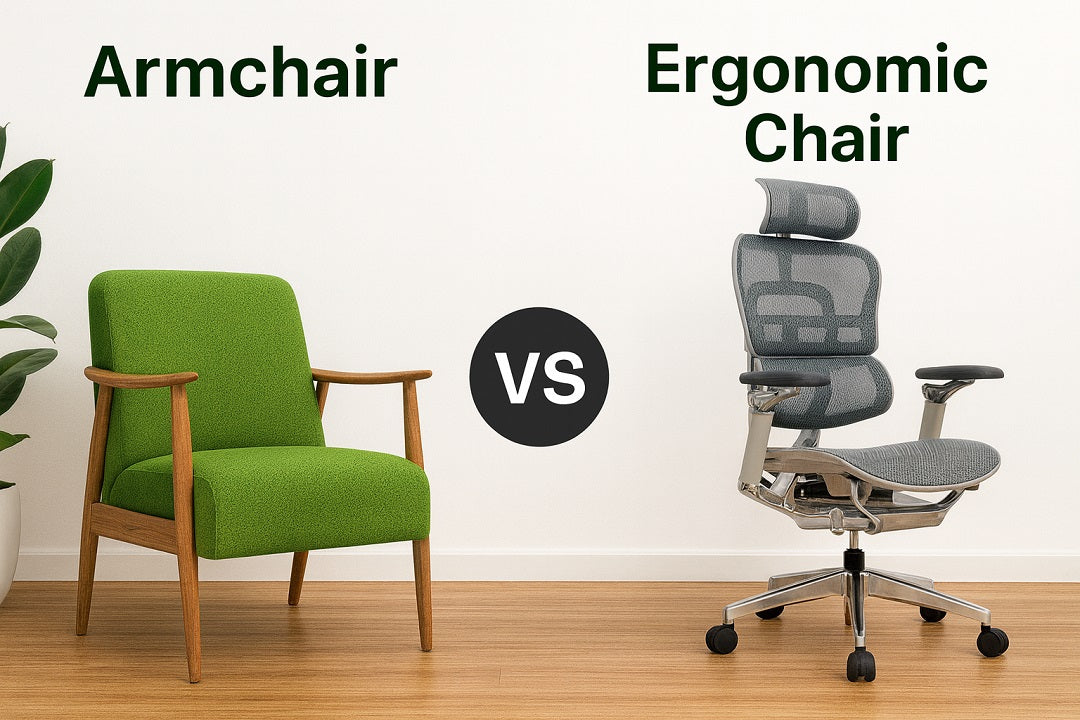
Choosing the right chair isn’t just about appearance. It’s about how you live, how you work, and how long you actually sit each day.
Many people find themselves deciding between two popular seating options: the armchair, known for comfort and style, and the ergonomic chair, designed for posture support and long hours. Both serve important roles. The real question is not which chair is universally better, but which one fits your space, habits, and needs.
With over 20 years of experience researching and evaluating chairs across homes, offices, and commercial environments, this guide breaks down the real differences, without marketing fluff, so you can make a confident, practical decision.
What Is an Armchair?
An armchair is a cushioned chair with upholstered armrests, designed primarily for comfort and visual appeal. It’s commonly used in living rooms, reading corners, bedrooms, lounges, and hospitality spaces.
Key Characteristics of an Armchair
- Soft padding and upholstery
- Fixed armrests
- Lower seat height
- Minimal adjustability
- Strong emphasis on style and decor
Armchairs are selected for how they feel and how they enhance a room, not for prolonged ergonomic support.
Best Situations for an Armchair
- Reading or relaxing
- Watching TV
- Short sitting sessions
- Accent or decorative seating
- Guest seating
For casual use, armchairs feel inviting and cozy. However, comfort for 20 minutes is very different from comfort for several hours.

Image Source: Pixabay
What Is an Ergonomic Chair?
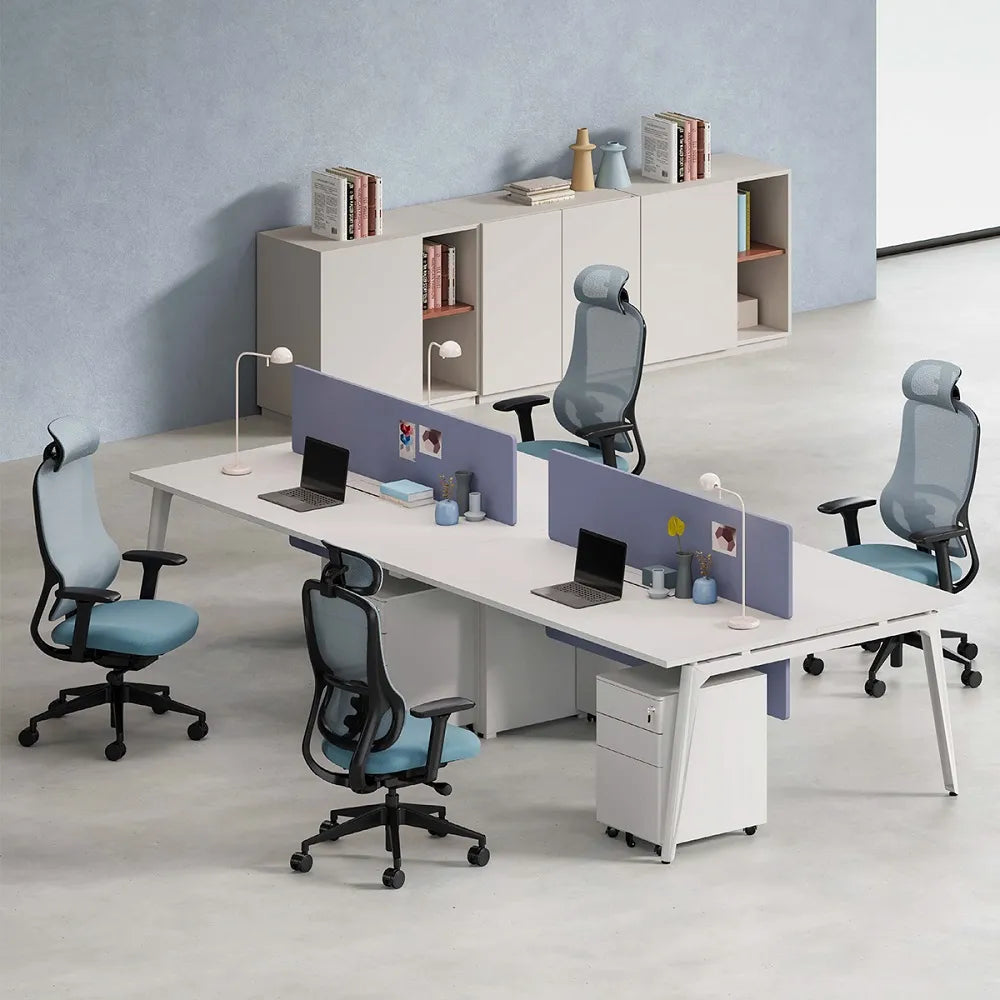
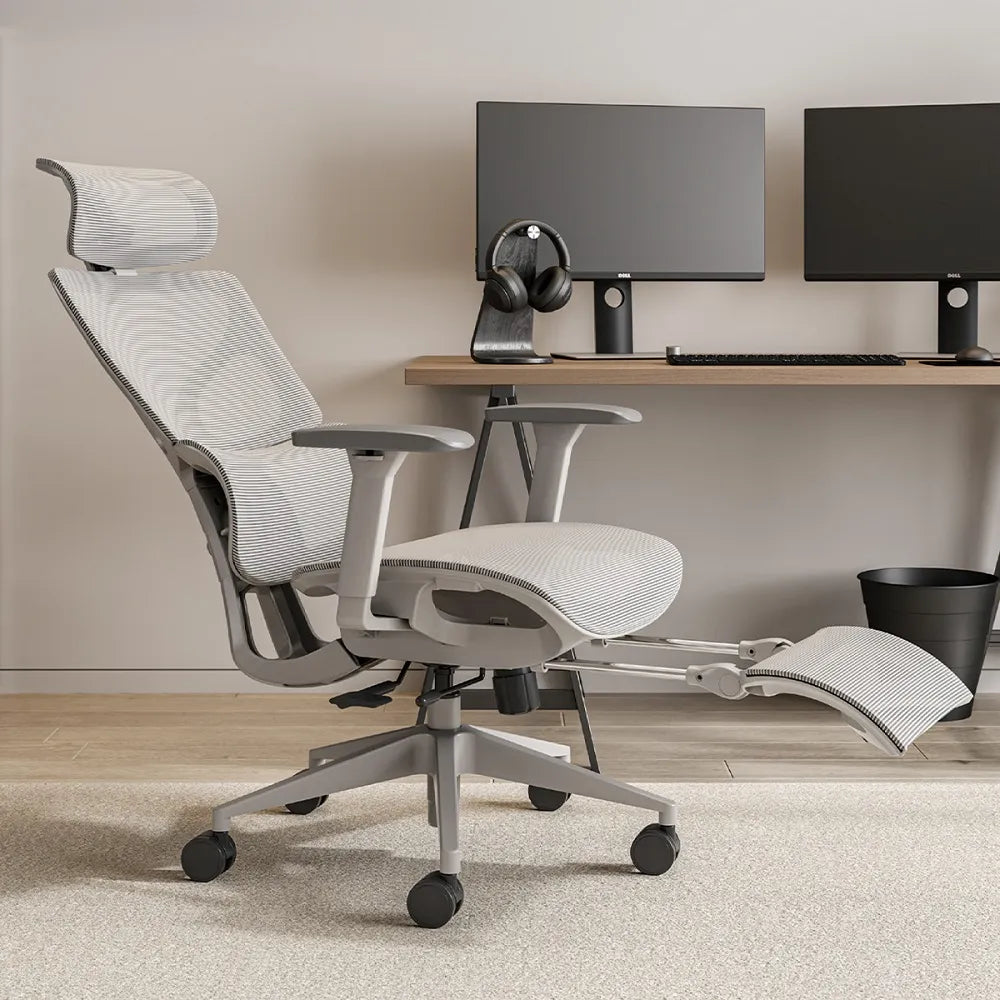
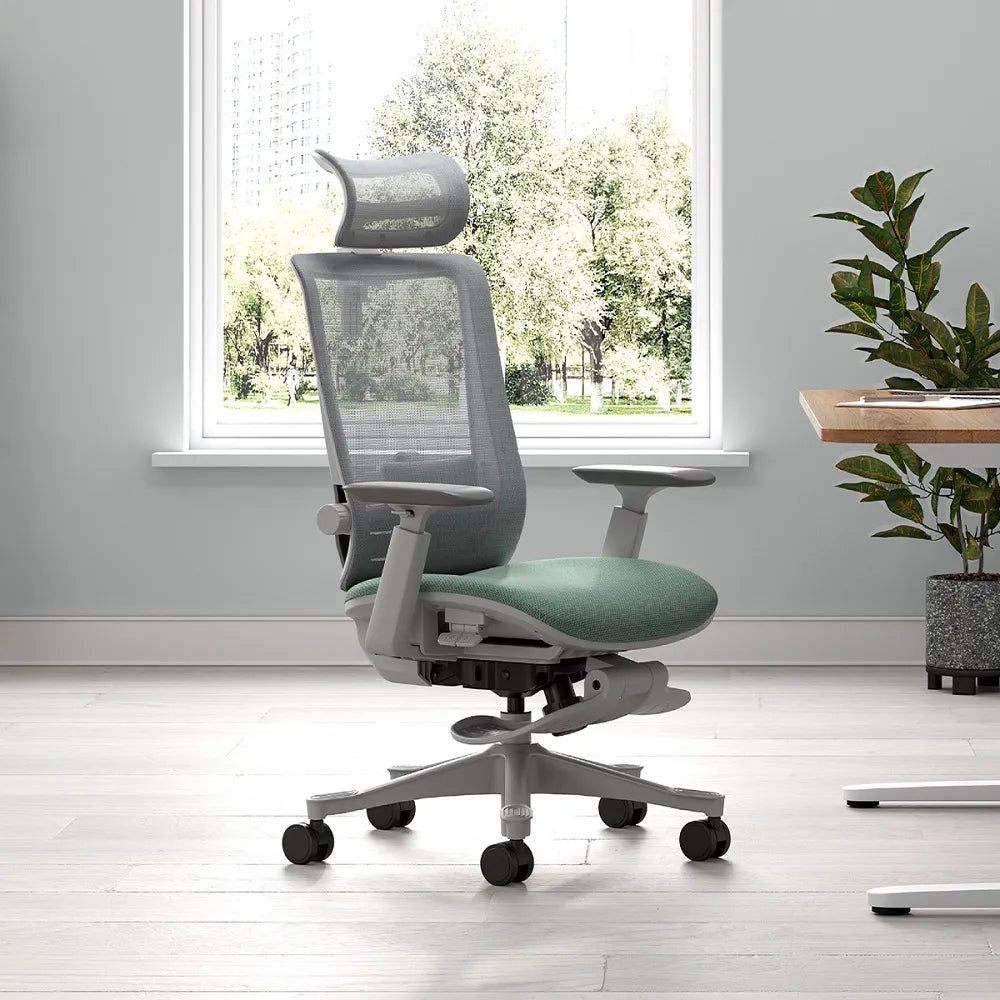
An ergonomic chair is engineered around the human body. Every curve, adjustment, and mechanism exists to reduce strain, support the spine, and improve sitting posture during extended use.
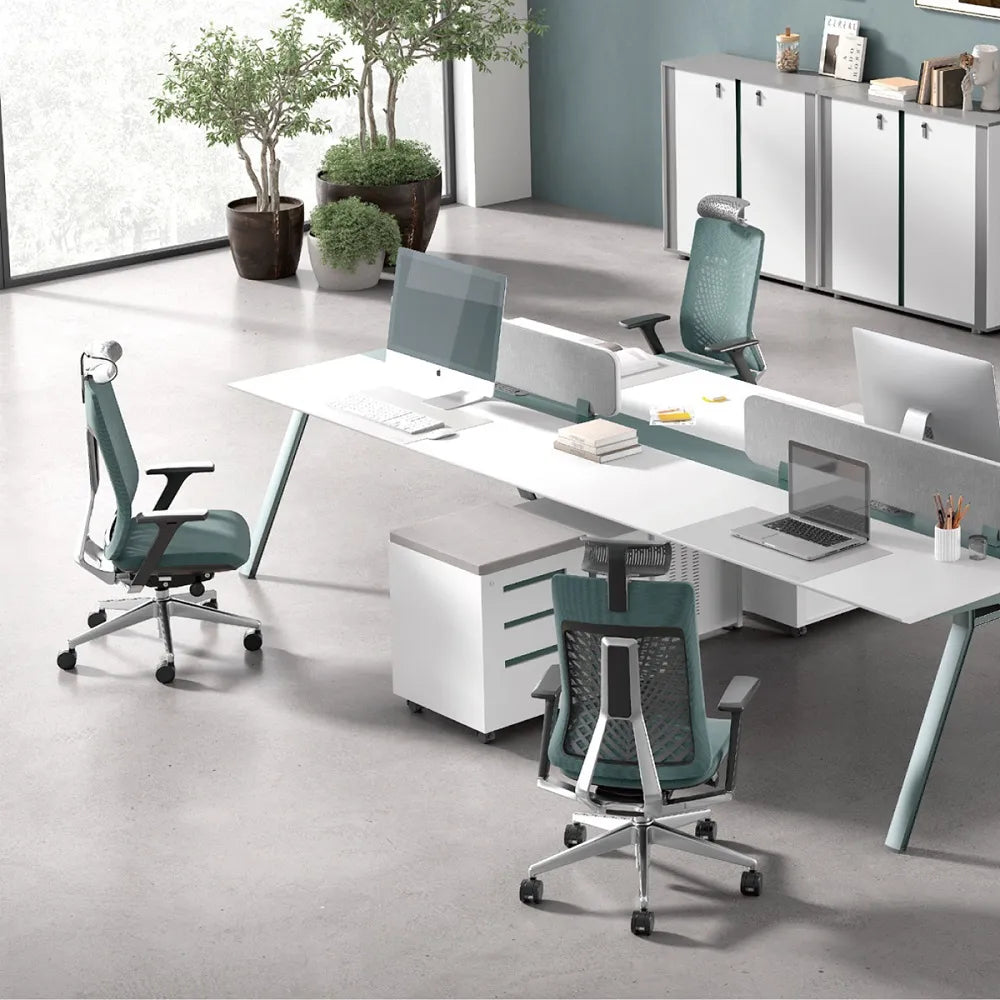
These chairs are commonly found in home offices, corporate offices, studios, and professional workspaces.
Key Characteristics of an Ergonomic Chair
- Adjustable seat height and depth
- Built-in lumbar support
- Adjustable armrests and headrests
- Breathable mesh or structured foam
- Tilt, recline, and tension mechanisms
A well-designed ergonomic chair continues to support your body even after long work sessions, when fatigue typically appears.
Armchair vs. Ergonomic Chair: Side-by-Side Comparison
| Feature | Armchair | Ergonomic Chair |
|---|---|---|
| Primary Purpose | Relaxation, casual seating, and decorative comfort | Long-hour sitting, work, and posture support |
| Best For | Living rooms, reading corners, lounges, bedrooms | Home offices, corporate offices, studios |
| Comfort Type | Soft, cushioned, immediate comfort | Structured, supportive, long-term comfort |
| Posture Support | Minimal spinal and lumbar support | Designed to support natural spinal alignment |
| Adjustability | Usually fixed | Highly adjustable (seat, lumbar, arms, tilt) |
| Arm Support | Padded fixed arms | Adjustable armrests to reduce shoulder strain |
| Seat Design | Deep and wide, relaxed posture | Contoured seat for healthy sitting |
| Breathability | Fabric or leather, may retain heat | Often uses breathable mesh |
| Use Duration | Short sitting sessions | Ideal for long sitting hours |
| Health Benefits | Comfort-focused | Reduces back pain and fatigue |
| Design Style | Decorative and varied | Modern and functional |
| Space Efficiency | Requires more space | Compact and adaptable |
| Durability | Cushioning may compress | Built for daily professional use |
| Long-Term Value | Best for occasional use | Higher ROI for daily sitting |
Comfort vs. Support: What Matters More?
Comfort feels different depending on time.
-
Armchairs provide instant softness and relaxation
-
Ergonomic chairs provide sustained comfort through structure and support
An armchair may feel better initially, but over time it can encourage poor posture. Ergonomic chairs distribute body weight evenly and help maintain a neutral spine.
Short sessions favor armchairs. Long sessions favor ergonomic chairs.
Best Use Scenarios: Armchair vs. Ergonomic Chair
| Scenario | Armchair | Ergonomic Chair |
|---|---|---|
| Reading or Leisure Time | Ideal | Not designed for lounging |
| Working From Home | Not recommended | Best choice |
| Long Sitting Hours (4+ hrs) | Causes fatigue over time | Designed for extended comfort |
| Living Room Seating | Perfect fit | Often looks too technical |
| Home Office Setup | Poor desk alignment | Optimized for desk work |
| Back Pain Prevention | Limited support | Strong lumbar support |
| Small Apartments | Takes more space | Space-efficient |
| Interior Design Focus | Enhances room warmth | Minimalist look |
| Productivity & Focus | Encourages relaxation | Encourages efficiency |
| Guest Seating | Comfortable | Unnecessary |
| Study or Learning Space | Not ideal | Highly suitable |
| Hybrid Living + Work Spaces | Secondary seating | Primary all-day chair |
| Health-Conscious Buyers | Comfort-first | Health-first |
| Daily Use Durability | Moderate | Professional-grade |

Cost Comparison & Budget Considerations
Price is often the final deciding factor, but after years of using both armchairs and ergonomic chairs in real spaces, I’ve learned that cost only makes sense when you look at how the chair is actually used.
Armchair: Lower Commitment, Comfort-Focused Spending
In my experience, armchairs usually feel like an easier purchase decision. You sit down, it feels soft, it looks good in the room, and the price often seems reasonable for what you get.
For light, occasional use, an armchair delivers good value. You’re paying for materials, upholstery, and design rather than mechanisms or adjustability. If the chair is mainly used for reading, relaxing, or hosting guests, the cost feels justified and predictable.
However, when an armchair starts being used every day for longer periods, the value equation changes. Cushions compress, posture suffers, and comfort slowly fades. What felt like a good deal at first can start to feel limiting over time.
Ergonomic Chair: Higher Upfront Cost, Stronger Long-Term Value
Ergonomic chairs usually come with a higher upfront price, and that can make buyers hesitate. I’ve been there. But after using them daily for work and long sitting sessions, the value becomes clear.
You’re not just paying for a chair. You’re paying for adjustability, support, and consistency. Even after years of use, a good ergonomic chair still holds its shape, supports the spine, and adapts as your sitting habits change.
For anyone who sits for work, study, or creative tasks, the cost spreads out over time. Fewer aches, better focus, and less physical fatigue make the chair feel less like an expense and more like a practical investment.
Which Option Makes More Sense for Your Budget?
If your budget allows, you can have both.
- If your chair is used occasionally, an armchair offers a comfortable, lower-risk purchase
- If your chair is used daily for hours, an ergonomic chair almost always delivers better value over time
Budget decisions feel smarter when they match real usage, not just price tags. The right chair isn’t the cheapest one. It’s the one that still feels right months or years after you’ve brought it into your space.
Final Thoughts:
Choosing between an armchair and an ergonomic chair isn't about following trends or picking the best-looking option online; it depends on how you actually use your space every day.
If you enjoy slowing down, reading a few pages of a book, or simply enjoying a moment of peace at home, an armchair offers warmth and comfort. If you need support for long hours of work, studying, or focused tasks, an ergonomic chair will silently support your body without you even noticing its presence.
Many well-designed homes incorporate both types of chairs: one for relaxation and another for productive and comfortable work.
When a chair integrates seamlessly into your daily habits instead of working against them, sitting becomes natural again. Only then does the space truly serve you, rather than you serving the space.
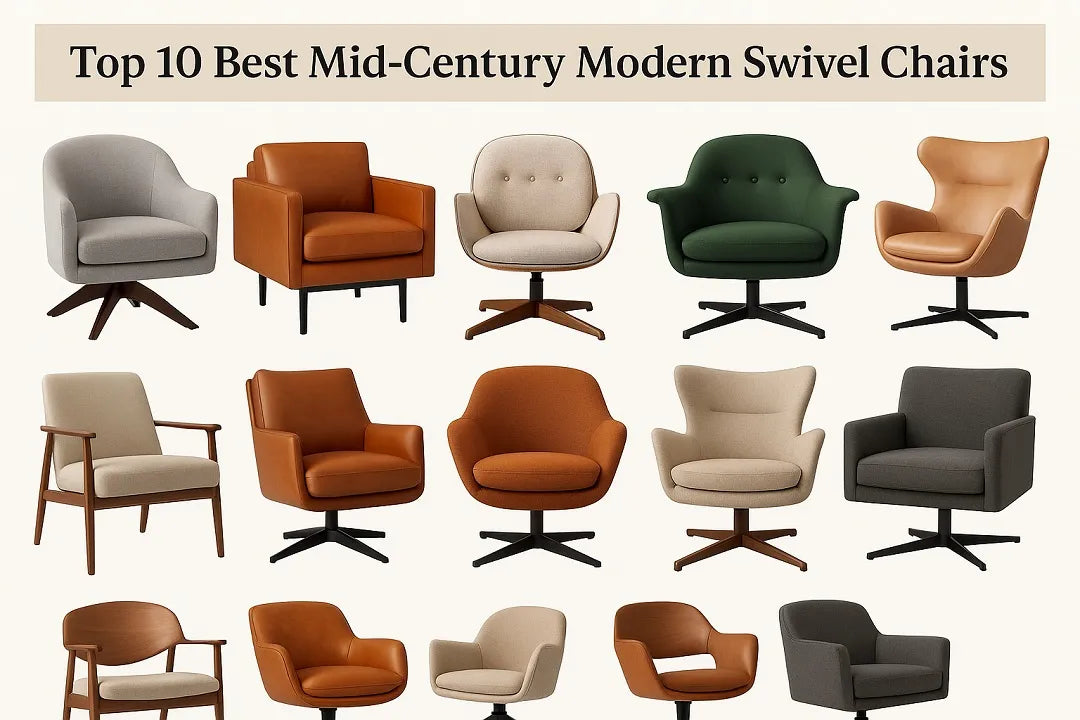
Read more: Top 10 Best Mid Century Modern Swivel Chairs
Frequently Asked Questions (FAQs)
1. Is an armchair good for long hours of sitting?
An armchair is comfortable for short periods, such as reading or relaxing, but it is not designed for long hours of sitting. Without proper lumbar and posture support, extended use can lead to back fatigue or poor sitting habits over time.
2. Can an ergonomic chair be used outside a home office?
Yes. While ergonomic chairs are commonly used in offices, many modern designs fit well in multipurpose spaces, study areas, and even compact apartments where one chair needs to support multiple daily activities.
3. Which chair is better for people with back pain?
For anyone dealing with back pain or stiffness, an ergonomic chair is generally the better choice. Its adjustable lumbar support and posture-focused design help reduce strain and promote healthier sitting during long sessions.
4. Are ergonomic chairs worth the higher price?
From long-term use, ergonomic chairs often justify their higher upfront cost. They maintain comfort and support over time, especially for daily use, which can make them more cost-effective than replacing less supportive chairs frequently.
5. Should I choose an armchair or an ergonomic chair for a small space?
In small spaces, an ergonomic chair is usually more practical. It takes up less room, works well with desks, and adapts to different tasks, whereas armchairs are better suited for open areas focused on relaxation.


Leave a comment
All comments are moderated before being published.
This site is protected by hCaptcha and the hCaptcha Privacy Policy and Terms of Service apply.